So, you're looking at your asphalt driveway, maybe it's got some cracks, some potholes, or it's just looking tired. You've heard about asphalt milling as a way to fix it up without a full tear-out. That's a smart thought, and milling can be a great option. But here's the deal: while some parts of a paving project are totally DIY-friendly, milling often isn't one of them. Let's break down what you need to know before you even think about getting started.
Before You Even Start: Is Milling Right for You?
First off, let's make sure milling is actually what you need. Milling is essentially shaving off the top layer of your existing asphalt. We do this to remove damaged surfaces, improve drainage, or reduce the grade before putting down a new layer of asphalt. It's not a fix for deep structural issues like a completely failed base. If your driveway looks like a roller coaster, or you've got standing water that never drains, milling might just be a band-aid. You might need a full excavation and new base, especially if you're in an area with that expansive clay soil we see around parts of Loveland, like in the Mariana Butte area, which can really mess with foundations and subgrades.
If your asphalt is generally solid underneath but the top layer is cracked, raveled, or just worn thin, then milling is probably a good call. It's often more cost-effective and less disruptive than a full replacement.
The DIY vs. Pro Reality Check
Okay, let's talk about what you can realistically do yourself versus when you absolutely need to call in a professional. I'm all for homeowners tackling projects, but some things just require specialized equipment and expertise.
- DIY Prep Work: This is where you can shine. Before any milling starts, whether you're doing it or we are, you need to clear the area. Move cars, trash cans, toys, anything that's going to get in the way. Mark out any sprinkler heads, utility boxes, or anything else that's flush with or slightly below the surface. Trust me, hitting a sprinkler head with a milling machine is a bad day for everyone. You can also sweep and clean the surface as much as possible.
- The Milling Itself: This is almost always a job for the pros. Asphalt milling machines aren't something you rent at Home Depot. They're heavy, powerful, and require skilled operators. They've got rotating drums with hundreds of carbide teeth that chew up asphalt. You need to control the depth, the speed, and the angle precisely to get a consistent surface. If you try to do this yourself, you're likely to end up with an uneven mess, damage to your property, or worse, personal injury. Plus, these machines often come with vacuum systems to collect the milled material, which is a huge part of keeping the site clean.
- Hauling Away the Millings: If you're doing a small patch, maybe you can bag up the millings and take them to the dump. But for a whole driveway? You're talking tons of material. A professional crew will have dump trucks and a plan for disposal or recycling. That's a big logistical hurdle for a homeowner.
- Spreading and Compacting Millings (if you're using them as a new surface): Sometimes folks mill their driveway and then just spread the millings back out as a new, cheaper surface. This *can* work for low-traffic areas, but it's not the same as new asphalt. You'll need a heavy roller to compact them properly, and even then, they won't bind like fresh asphalt. If you're going this route, you'll still need to rent some serious compaction equipment.
During the Project: What to Expect
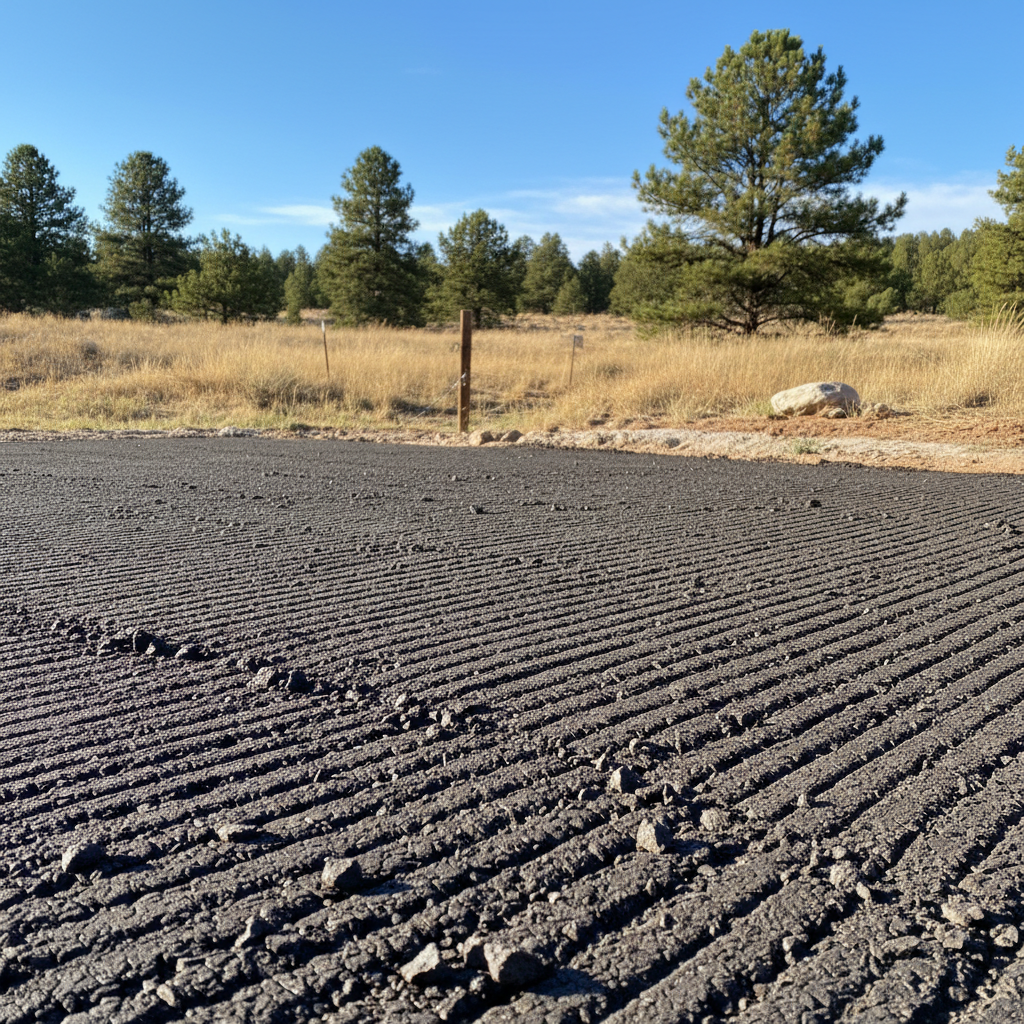
If you've hired Loveland Paving Co (or another reputable contractor), here's what you'll see. We'll bring in the milling machine, usually a big one, and our crew. There's going to be noise, dust, and vibrations. It's not a quiet process. We'll mill down to the specified depth, which might be an inch or two, or more depending on the condition. The machine will collect the asphalt chunks, or 'millings,' as it goes. We'll then haul those away. The surface left behind will be rough, almost like a gravel road, but with a consistent texture. This is called a 'milled surface' and it's ready for the new asphalt layer to be applied.
After the Milling: What's Next?
Once the milling is done, you're left with that rough, textured surface. What happens next depends on your plan. If you're putting down new asphalt, that usually happens pretty quickly after milling, often within a day or two. The milled surface provides an excellent base for the new asphalt to bond to. If you're just leaving the millings as a temporary surface, make sure they're compacted well. You might need to add a binding agent or some fresh millings later to keep it stable.
Keep people and pets off the freshly milled area until it's ready for the next step. It can be a little dusty and uneven. If you're getting new asphalt, the pros will handle the final cleanup and compaction. If you're DIYing the millings as a new surface, you'll be doing a lot of sweeping and rolling.
Milling is a fantastic technique for extending the life of your driveway, but it's one of those jobs where the right tools and experience make all the difference. Don't be afraid to get your hands dirty with the prep, but for the heavy lifting of the milling itself, you're usually better off letting the pros handle it. It'll save you a lot of headaches and ensure you get a smooth, durable result.