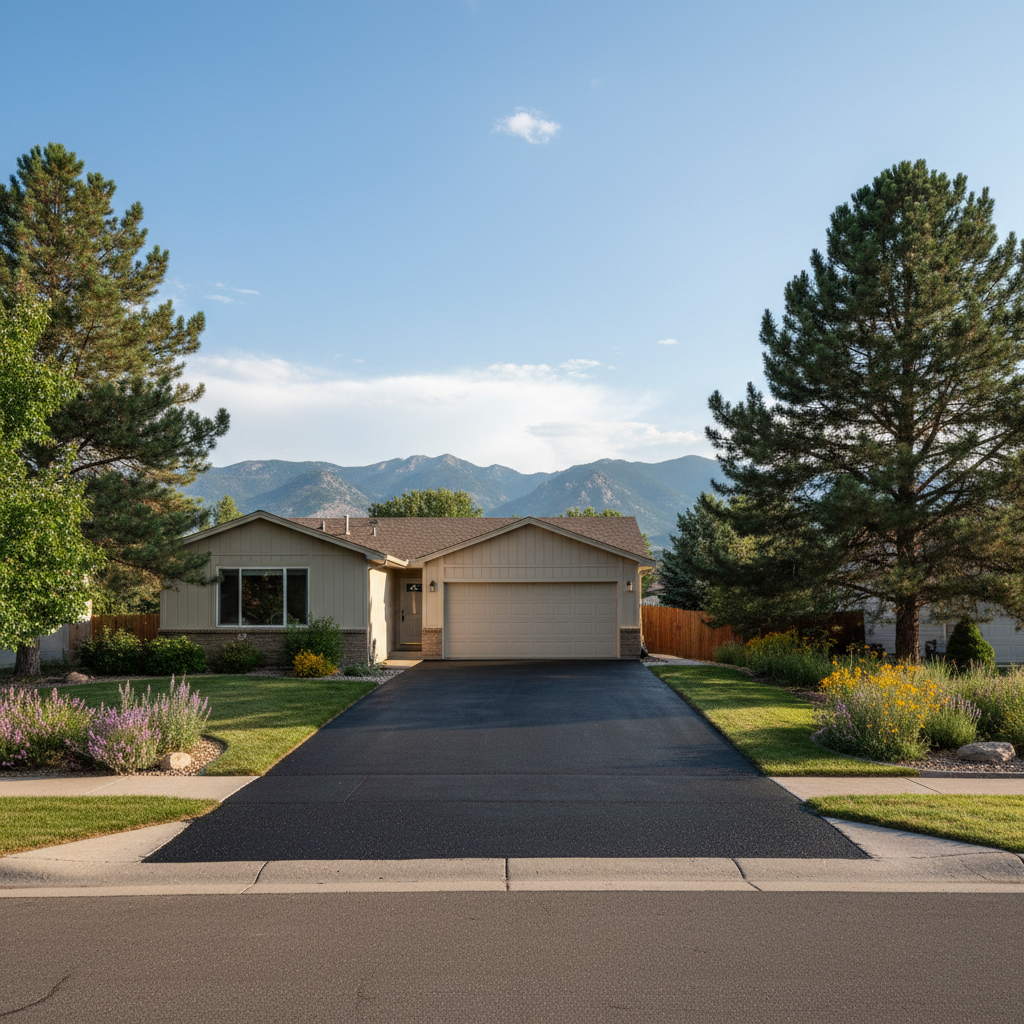
Alright, let's talk about slurry coating. It's a great way to protect and extend the life of your asphalt, no doubt about it. But I've seen enough projects go sideways over the years here in Loveland to know that homeowners often stumble into some pretty common traps. You're trying to do the right thing, save some money, or just get the job done, but sometimes that leads to regret. So, here's what you really need to watch out for.
Mistake #1: Thinking All "Sealcoats" Are the Same
This is a big one. You might hear someone say "sealcoating" and think it's all the same stuff. It's not. There's a huge difference between a thin, water-based asphalt emulsion sealcoat you can buy at the big box store and a proper slurry seal. A slurry seal is a mixture of asphalt emulsion, aggregate (fine rock), water, and mineral fillers. It's applied thicker, fills small cracks, and significantly extends the life of your pavement. A cheap sealcoat might make your driveway look black for a few months, but it doesn't offer the same structural protection or durability. If a contractor quotes you a price that seems too good to be true for a "slurry coat," you need to ask exactly what they're applying. You don't want to pay for a slurry and get a glorified paint job.
Mistake #2: Ignoring Pavement Condition Before Slurry
A slurry coat is preventative maintenance, not a miracle cure. It's meant for asphalt that's in decent shape, but showing signs of aging – maybe some minor cracking, oxidation, or fading. If your asphalt has significant potholes, alligator cracking, or structural issues, a slurry coat isn't going to fix it. It'll just cover up the problems for a little while, and then those issues will resurface, often worse than before. You'll have wasted your money on the slurry and still need the underlying repairs. I always tell folks, if your pavement needs major repairs, get those done first. Sometimes, especially with those older driveways in places like the Orchards, you might need a full overlay or even replacement, not just a slurry.
Mistake #3: Not Asking About the Mix Design
This might sound a bit technical, but it's important. A good slurry mix is designed for our specific climate and traffic conditions. In Loveland, we get those hot summers and freezing winters, plus the freeze-thaw cycles that really stress pavement. A contractor should be able to tell you about their mix design – what type of emulsion they're using, the aggregate size, and any additives. A cheap, poorly formulated mix might look okay initially, but it won't hold up. It'll wear away faster, crack prematurely, or lose its color. You're paying for durability, so make sure they're using a quality product that's proven to work in our area.
Mistake #4: Falling for the Door-to-Door Special
We've all seen them, especially when the weather warms up. Guys with a truck and a sprayer knocking on doors, offering a "special deal" because they just finished a job down the street. Look, reputable companies like Loveland Paving Co don't operate that way. These transient crews often use substandard materials, cut corners on prep work, and disappear as soon as they get your money. They don't have local references, insurance, or a physical address. If something goes wrong, you're out of luck. Always, always get multiple bids from established local contractors, check their references, and make sure they're properly licensed and insured.
Mistake #5: Not Understanding the Curing Process
Once that slurry is down, it needs time to cure properly. I've seen people drive on it too soon, or let their kids ride bikes all over it, and then they wonder why it's scuffed up or tracking. The curing time depends on the specific mix, temperature, and humidity, but generally, you're looking at 24-48 hours before light traffic, and sometimes longer for heavy vehicles. A good contractor will give you clear instructions on when you can use your pavement again. Don't rush it. Patience here will save you a lot of headache and ensure your new slurry coat lasts as long as it should.
So, there you have it. Don't let a slurry coating project turn into a headache. Ask the right questions, do your homework, and make sure you're working with someone who knows what they're doing. Your asphalt will thank you for it.