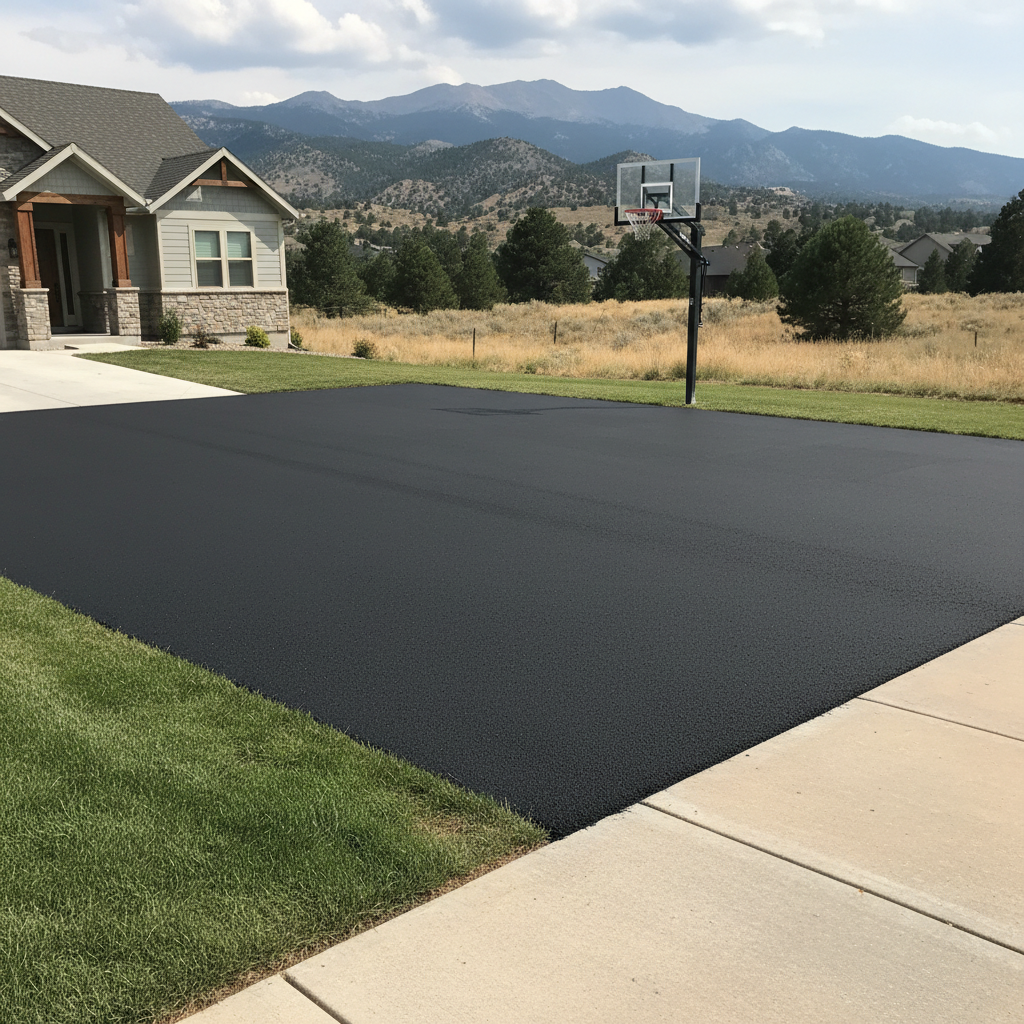
Alright, let's talk about asphalt projects for your home here in Loveland. I've been doing this a long time, and I've seen homeowners make some real blunders that end up costing them a lot of money, time, and frustration. You're trying to improve your property, right? So let's make sure you do it smart.
Mistake #1: Not Understanding the 'Why' Behind the Problem
A lot of folks call me up and say, "My driveway's cracked, I need a new one." Or, "My asphalt is sinking, just patch it." And yeah, sometimes that's all you need. But often, the cracks or the sinking are just symptoms of a bigger problem. You've got to understand the root cause.
For example, if your driveway is cracking in a spiderweb pattern, that's usually a sign of a bad base. Just paving over it without fixing the base is like putting a band-aid on a broken leg. It'll look good for a bit, but those cracks are coming right back, probably within a year or two. Or maybe you've got standing water issues because your grading is off. Paving won't fix that; it'll just hide the problem until it undermines your new asphalt.
A good contractor, like us at Loveland Paving Co, will dig into the 'why.' We'll look at drainage, the subgrade, and what's going on underneath. Don't let someone just quote you for a surface fix without understanding the underlying issue. It's a waste of your hard-earned money.
Mistake #2: Focusing Only on the Lowest Bid
I get it, everyone wants a good deal. But when it comes to asphalt, the lowest bid is almost never the best deal in the long run. I've seen countless homeowners go with the cheapest guy, only to call me a year or two later because their new driveway is already falling apart.
Here's what often happens with those super low bids:
- They skimp on materials: They might use less asphalt than needed, or a lower quality mix.
- They cut corners on prep work: This is huge. The base, compaction, and drainage are critical. If they rush this, your asphalt won't last.
- They don't have proper insurance or licensing: This is a massive risk for you if something goes wrong.
- They're not local or established: Fly-by-night operations are common in this industry. They do a quick, shoddy job and then disappear.
Ask for detailed quotes. Compare apples to apples. If one quote is significantly lower than the others, there's usually a reason, and it's rarely a good one for you. Think about the lifespan of the project. A slightly higher upfront cost for a quality job means you won't be paying again in a few years.
Mistake #3: Not Asking About the Base and Subgrade
This goes hand-in-hand with understanding the 'why.' Your asphalt driveway is only as good as the foundation it sits on. Here in Loveland, especially with our clay soils in some areas or the freeze-thaw cycles we get, a solid, well-drained base is non-negotiable. If your contractor isn't talking about:
- How they're preparing the subgrade (the natural ground underneath).
- The type and depth of aggregate base material they're using.
- How they're compacting that base layer.
- Addressing any drainage issues before paving.
...then you should be worried. A proper base prevents cracking, heaving, and sinking. It's the backbone of your driveway. If they just want to throw a thin layer of asphalt over your existing, failing base, you're buying yourself a temporary fix, not a lasting solution.
Mistake #4: Ignoring Proper Drainage
Water is asphalt's worst enemy. If water sits on your driveway, it seeps into cracks, gets under the pavement, and with our Colorado winters, it freezes and expands. That's how you get potholes and major damage. I've seen driveways in older neighborhoods like those around Lake Loveland where the original grading was just 'good enough' for gravel, but terrible for asphalt.
A good asphalt job isn't just about laying down blacktop; it's about creating a surface that sheds water effectively. Your contractor should be planning for proper slopes, swales, or even catch basins if necessary, to direct water away from your home's foundation and off the paved surface. If they don't discuss drainage with you, that's a huge red flag.
Mistake #5: Not Getting Everything in Writing
This seems obvious, but you'd be surprised how many folks rely on a handshake or a quick verbal quote. You need a detailed, written contract that spells out exactly what's being done. This should include:
- The scope of work: excavation, base depth, asphalt thickness, number of layers.
- Materials: type of asphalt mix, aggregate base.
- Timeline: start and estimated completion dates.
- Total cost and payment schedule.
- Warranty information.
- Proof of insurance (liability and worker's comp).
- Permits, if required.
Don't be afraid to ask questions until you understand every line item. This protects both you and the contractor and prevents misunderstandings down the road.
Look, getting a new asphalt driveway or repair is a big investment. You want it done right the first time so it lasts for years. By avoiding these common mistakes, you'll be much happier with the result and you'll save yourself a lot of grief. Do your homework, ask the right questions, and choose a reputable local company that knows what they're doing.