What's the best way to fix a small crack in my asphalt driveway?
You've got a few options for those smaller cracks, and catching them early is key to keeping them from turning into bigger headaches. For cracks that are less than about a half-inch wide, a good quality crack filler is usually all you need. You can find these at most hardware stores. Make sure the crack is clean and dry first – no dirt, no loose bits. Just pour or squeeze the filler in, and sometimes you'll need to smooth it out with a squeegee or trowel. It's a pretty straightforward DIY job for most folks. If you let those little cracks sit, especially with our freeze-thaw cycles here in Loveland, water gets in, freezes, expands, and then you've got a pothole before you know it.
When does a pothole need more than just a patch?
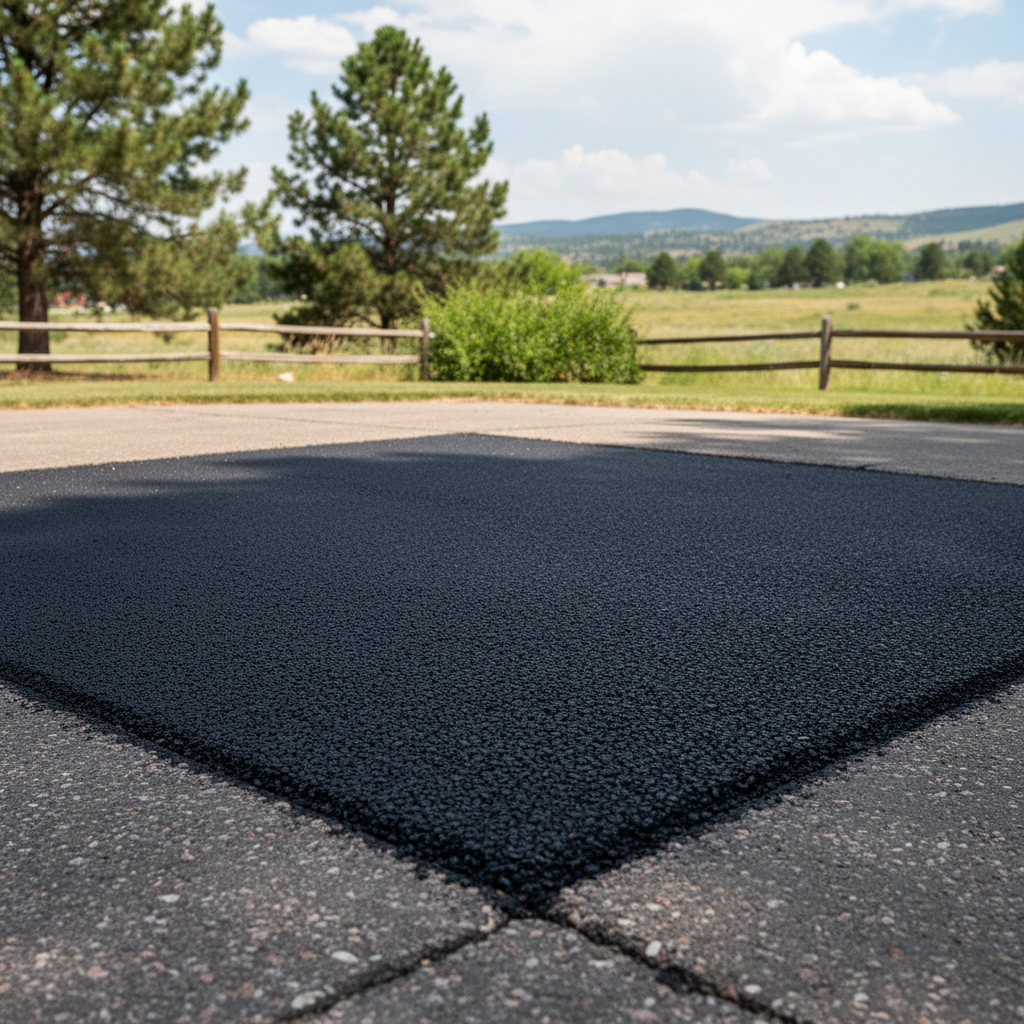
A pothole starts small, but it can grow fast, especially with traffic and weather. For minor, shallow potholes, a cold patch asphalt mix can work as a temporary fix. You just clean out the hole, pour in the mix, and tamp it down. It'll get you by for a bit. But honestly, if you've got a pothole that's deep, wide, or if you're seeing several of them popping up in the same area, you're probably looking at a more significant issue with the base layer. That's when a professional repair, often involving cutting out the damaged section and replacing it with hot asphalt, is going to give you a much longer-lasting solution. We call that a 'cut and patch' or 'remove and replace' method, and it's what we do at Loveland Paving Co for durable results.
How long do asphalt repairs typically last?
That's a tough one to give a single number for because it really depends on the type of repair, the quality of the materials, the skill of the crew doing the work, and how well you maintain it afterward. A simple crack seal might need reapplication every year or two, especially in high-traffic spots. A good quality hot asphalt patch, where we've cut out the bad stuff and replaced it properly, can easily last 5 to 10 years, sometimes even longer, if the underlying base is sound and you're sealing your driveway regularly. It's all about addressing the root cause and using the right technique for the damage.
Can I repair my asphalt driveway myself, or should I hire a professional?
You definitely can tackle some minor repairs yourself. Things like small crack filling, or even a basic cold patch for a shallow pothole, are within reach for a handy homeowner. There are plenty of products out there for DIY. However, there's a point where it makes more sense to call in the pros. If you're dealing with extensive cracking, multiple deep potholes, drainage issues, or if the asphalt is crumbling over a large area, that's usually beyond a DIY fix. We've got the specialized equipment, the right hot asphalt mixes, and the experience to make sure the repair lasts and blends in as well as possible. Plus, we understand the local soil conditions, like the expansive clay soils we sometimes see in older Loveland neighborhoods, which can contribute to pavement issues.
What causes asphalt to crack and deteriorate in the first place?
There are a few main culprits. First, plain old wear and tear from vehicles driving over it. Second, the weather we get here in Colorado is a big factor. The constant freezing and thawing cycles we experience in winter are brutal on asphalt. Water gets into tiny cracks, freezes, expands, and pushes the pavement apart. Then it thaws, leaving a bigger void. Sunlight (UV rays) also breaks down the asphalt binder over time, making it brittle. And finally, if the base layer underneath the asphalt wasn't prepared properly or if there are drainage issues, that can lead to premature cracking and potholes. It's often a combination of these things working together.
Is it better to repair or replace my entire asphalt driveway?
That's the million-dollar question, isn't it? It really comes down to the extent of the damage and the age of your driveway. If you've got isolated cracks, a few potholes, or just some minor surface wear, repairs are usually the most cost-effective solution. You're extending the life of your existing pavement without a full overhaul. However, if your driveway is old (say, 20+ years), has widespread cracking (like alligator cracking over more than 25-30% of the surface), significant drainage problems, or if the base is completely shot, then a full replacement might be the better long-term investment. You'll get a fresh start, and a new driveway, properly installed, will last you decades. We can come out and give you an honest assessment of what makes the most sense for your specific situation.
How can I prevent future asphalt damage after repairs?
Maintenance, maintenance, maintenance! It's the best way to protect your investment. Once you've had repairs done, or even if your driveway is in good shape, sealing it every 2-3 years is huge. Sealcoating protects the asphalt from UV rays, water penetration, and oxidation. It's like sunscreen and a raincoat for your driveway. Also, address any new cracks as soon as they appear – don't let them sit. Keep heavy vehicles off your driveway if it wasn't designed for them, and make sure your drainage is good. If water is pooling on your driveway, that's a problem waiting to happen. Little steps go a long way in keeping your asphalt looking good and lasting longer.