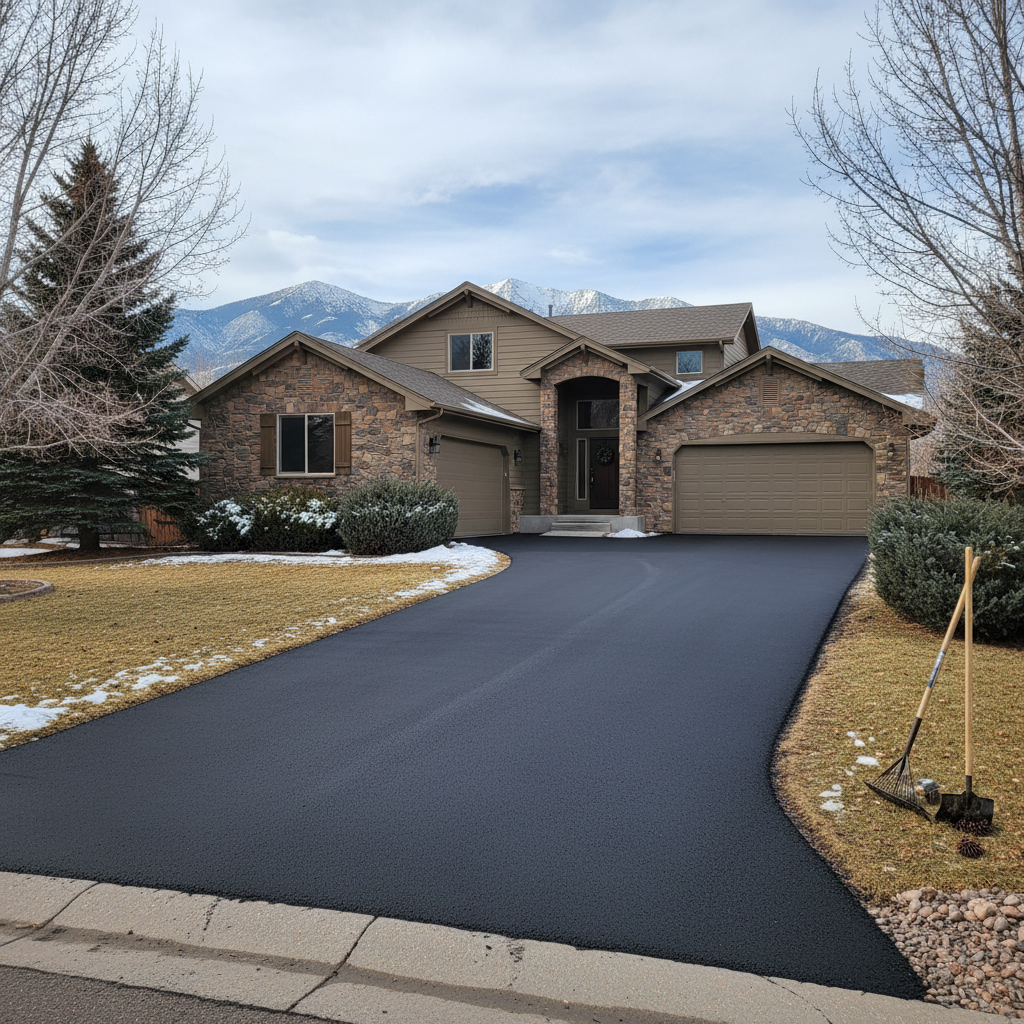
You're thinking about a new asphalt driveway or maybe patching up that old one that's seen too many Colorado winters. Good call. But around here, just deciding you want it done isn't enough; timing is everything. Our weather isn't always cooperative, and getting your asphalt laid at the right time makes a huge difference in how long it lasts and how good it looks.
When's the Best Time to Pave in Loveland?
Honestly, spring and fall are your sweet spots. We're looking for consistent temperatures, not too hot, not too cold. Think late April through June, and then again from September through October. Why those times? Well, when we're laying down hot asphalt, it needs to cool and cure properly. If it's too hot out, like those scorching July and August days we get, the asphalt can stay too pliable for too long. That makes it more susceptible to rutting or damage before it's fully set up. On the flip side, if it's too cold, the asphalt cools too fast, which can lead to poor compaction and a weaker surface.
We also need to consider the ground underneath. Our soil here in Loveland, especially in areas with a lot of clay like you find around the Big Thompson River basin, can hold a lot of moisture. Paving over wet ground is a recipe for disaster down the road. It can lead to cracking and premature failure. So, we need dry conditions, and those usually come more reliably in spring and fall after the snow melts and before the ground freezes solid.
Weather Conditions That Affect the Job
Beyond just the temperature, a few other weather factors play a big role in whether we can even get the job done right:
- Rain: This is a big one. We can't pave in the rain, period. Water and hot asphalt don't mix. It cools the asphalt too quickly, prevents proper bonding, and can even create steam pockets that weaken the material. If rain is in the forecast, we'll have to reschedule.
- Ground Temperature: It's not just the air temperature; the ground itself needs to be warm enough. If the ground is too cold, it'll suck the heat right out of the asphalt mix, making it hard to compact properly. That's why those early spring or late fall days, even if the air feels okay, might not be suitable if we've had a cold snap.
- Wind: Strong winds can cool the asphalt too quickly, similar to cold temperatures. It also makes it harder for our crew to work safely and efficiently.
We're always watching the forecast closely at Loveland Paving Co. We want to do the job once and do it right, and that means working with Mother Nature, not against her.
Protecting Your Investment Year-Round
Once your new asphalt is in, you want it to last, right? Here's what you can do:
- Sealcoating: This is probably the most important thing you can do. Think of it like sunscreen for your driveway. Sealcoating protects your asphalt from UV rays, water penetration, and even oil and gas spills. I usually recommend sealcoating every 2-3 years, depending on traffic and how much sun it gets. It's a small investment that pays off big time in extending your driveway's life.
- Crack Filling: See a crack? Fill it. Don't wait. Cracks let water get underneath your asphalt, and when that water freezes and expands, you've got a pothole in the making. Filling cracks quickly prevents bigger, more expensive problems.
- Drainage: Make sure water drains away from your driveway, not onto it or pooling on it. If you've got standing water, it's going to degrade your asphalt much faster. Sometimes, a little landscaping adjustment can make a huge difference.
- Avoid Heavy Loads: Try not to park or drive extremely heavy vehicles (like large RVs or construction equipment) on your residential driveway for extended periods. Asphalt is flexible, but it has its limits, especially when it's new.
- Clean Up Spills: Oil, gas, and other chemicals can break down asphalt over time. Clean them up as quickly as you can.
Taking care of your asphalt isn't rocket science, but it does require a little attention. By choosing the right time for installation and following these simple maintenance tips, you'll get years of good service out of your driveway. If you've got questions about your specific situation or you're ready to get a quote, just give us a call. We're always happy to help our Loveland neighbors out.