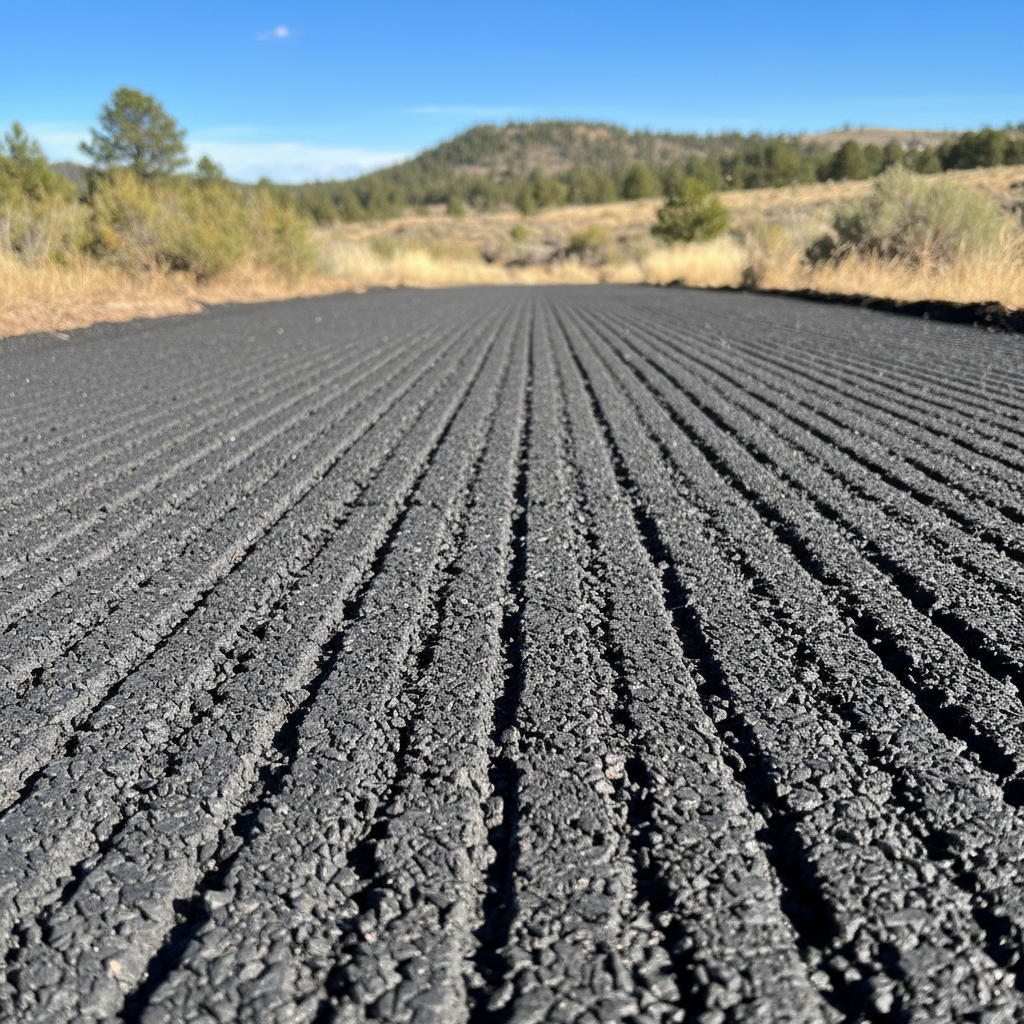
So, you're looking at milled asphalt, sometimes called asphalt millings or recycled asphalt pavement (RAP), for your place here in Loveland. Good choice. It's tough, it's affordable, and it can look pretty sharp when it's done right. But like anything, there's a right way and a wrong way to go about it. I've seen plenty of projects, both good and bad, over the years, and I want to make sure yours is one of the good ones.
Before You Start: Planning Your Milling Project
First off, let's talk about what millings actually are. It's old asphalt that's been ground up. It's got a bit of tar and oil still in it, which is key to how it compacts and holds together. It's not just loose gravel.
Before you even think about getting a truckload delivered, you need to think about your base. This is probably the most important step, and it's where a lot of DIYers mess up. You can't just dump millings on top of soft dirt or grass and expect it to last. You'll end up with ruts, puddles, and a headache.
- Drainage is King: Loveland gets its share of snowmelt and rain, especially during those spring storms. You need to make sure water will shed off your project area, not pool up. Think about a slight crown in the middle or a gentle slope to the sides. If you've got a low spot, you'll need to build it up.
- Sub-base Prep: This is where you might need to bring in some pros, or at least some serious equipment. You need to remove any organic material – grass, weeds, topsoil – down to firm ground. Then, you'll want to lay down a good layer of road base (usually 4-6 inches of compacted aggregate) and compact it like crazy. This is your foundation. If you skip this, your millings won't perform.
- Permits? For a residential driveway, usually not, but if you're doing something extensive or affecting public right-of-way, it's always worth a quick call to the City of Loveland's planning department. Better safe than sorry.
As for ordering the millings, you'll need to figure out how much you need. A good rule of thumb is to aim for a compacted depth of 4-6 inches for a driveway. You can use an online calculator or call a supplier – they're usually pretty helpful. Just remember, it compacts down, so you'll need more volume than your final depth suggests.
During the Project: Spreading and Compacting
Okay, the millings are here. Now what? This is where the work really begins. You can spread it yourself with a rake and shovel, but for anything bigger than a small path, you're going to want some equipment. A skid steer or a small tractor with a box blade will save your back and give you a much more even finish.
Spread it in layers, no more than 2-3 inches at a time. Why? Because you need to compact each layer. This is another critical step where many DIY projects fall short. You can rent a vibratory plate compactor – the bigger, the better. Go over each layer multiple times, in different directions. You want it packed down tight.
Here's a trick: a little bit of moisture helps with compaction. If it's bone dry, lightly spray it with water before compacting. Don't drown it, just enough to make it damp. The natural binders in the asphalt millings will start to activate with the moisture and compaction, helping it bind together.
If you're doing a larger area, or if you want a really professional, long-lasting surface, you might consider hiring a contractor like Loveland Paving Co. We've got the heavy rollers and experience to get that compaction just right, which makes a huge difference in durability.
After the Project: Maintenance and Longevity
Once your millings are laid and compacted, they're pretty low maintenance. But 'low' doesn't mean 'no'.
- Initial Curing: It's not like fresh asphalt that needs to cure for days. But the more traffic it gets, especially in warm weather, the more it will continue to compact and 'set up'. You'll notice it gets harder and more stable over time.
- Edging: Consider some sort of edging – landscape timbers, railroad ties, or even a concrete curb. This helps hold the millings in place and prevents them from spreading out, especially on the edges of your driveway where tires might push them.
- Weed Control: While millings are pretty good at suppressing weeds, some stubborn ones might still poke through, especially if your sub-base wasn't perfectly clean. A little weed killer now and then will keep it looking tidy.
- Patching: If you get a pothole or a soft spot down the road, it's usually an easy fix. Just add more millings, spread, and compact. You might need to rough up the existing surface a bit to help the new material bond.
Milled asphalt is a fantastic option for driveways, parking areas, or even pathways around your property. It's durable, eco-friendly, and easy on the wallet compared to new asphalt or concrete. Just remember, proper preparation and compaction are key. Don't cut corners on the base, and don't be afraid to rent the right equipment or call in a pro if the job feels too big. Do it right the first time, and you'll have a great surface that lasts for years.