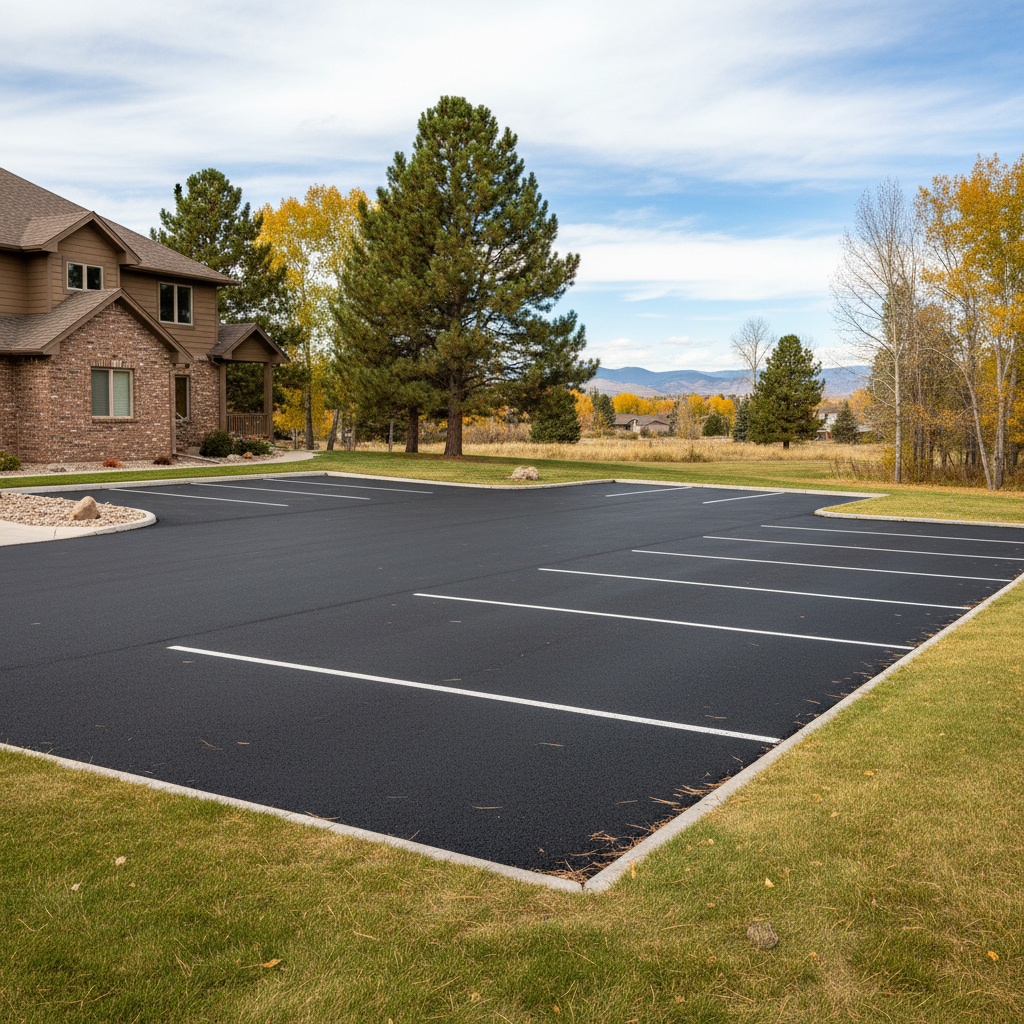
Thunderstorms roll right off the foothills and drop heavy hail and sudden downpours on a freshly paved lot in Loveland, CO. Loveland Paving Co keeps a close eye on unpredictable Northern Colorado skies because asphalt work does not mix well with sudden weather changes. Scheduling paving or keeping a lot from cracking apart after a winter requires understanding what actually works in Larimer County.
The Sweet Spot for Paving in Northern Colorado
Asphalt cannot be laid year-round in Loveland, CO. Freeze-thaw cycles and winter lows mean the window for major Asphalt Paving runs from late spring through early fall. Late May to September gives the consistent heat required for hot-mix asphalt to compact properly. If the ground is still cold from a lingering April snowstorm, the mix cools down too fast before Loveland Paving Co can roll it smooth. Premature crumbling happens when timing is wrong, and nobody wants to pay twice for Asphalt Paving that should have waited a few weeks.
Summer brings seasonal quirks to Asphalt Paving as well. High-altitude sun beats down hard, meaning surface temperatures get very hot. Loveland Paving Co sometimes has to adjust paving schedules to start before dawn so the asphalt material handles right.
Weather Windows and What They Mean for Your Schedule
Rain is another issue that requires careful attention during Asphalt Paving. Water trapped in a fresh subgrade or cooling asphalt ruins the structural integrity. Here is what you need to keep in mind when planning:
- Spring brings moisture and shifting sub-grades, making it a better season for patching and prep work than heavy Asphalt Paving.
- Summer is prime time for new parking lot installs and overlays, provided Loveland Paving Co works around afternoon thunderstorms.
- Fall offers stable, dry air, but nighttime lows require close monitoring because asphalt needs ambient temperatures above 50 degrees to cure right.
Protecting Your Pavement Through the Extremes
Once Asphalt Paving is complete, the job continues with ongoing maintenance. Loveland clay-heavy soils expand and contract dramatically when they get wet and dry out, putting stress on your pavement from underneath. Winter de-icing salts and heavy plowing also cause asphalt to take a serious beating.
Sealcoating every few years keeps moisture from seeping into tiny hairline cracks. Waiting until winter to patch potholes causes freezing water to pop cold-patch right back out. Stay ahead of the weather, get Asphalt maintenance done during dry summer months, and your pavement will easily outlast local elements in Loveland, CO.