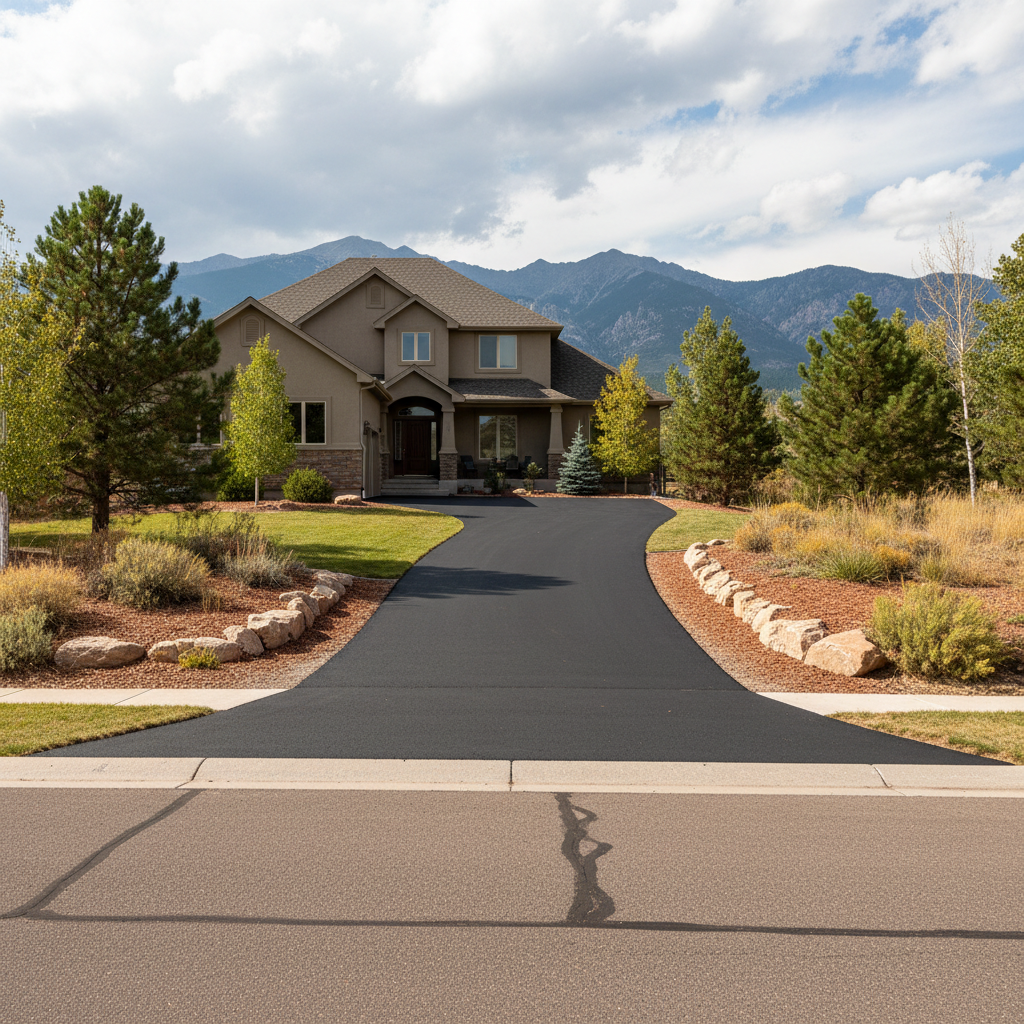
So, you're ready to tackle that driveway project. Maybe it's cracked, crumbling, or just doesn't fit your home anymore. Whatever the reason, getting a new driveway is a big deal, and you want it done right. I've seen my share of projects, good and bad, over the years here in Loveland, and I'm here to give you the straight scoop on planning yours.
Understanding Your Project Timeline
Let's talk timing. Most folks think it's a quick in-and-out job, but there's more to it than just laying down asphalt. From your first call to the final sweep, here's a realistic look:
- Initial Contact & Quote (1-3 weeks): You'll reach out to a few contractors, including us at Loveland Paving Co, to get estimates. We'll come out, measure, assess your site, and discuss options. This isn't just about price; it's about finding someone you trust.
- Scheduling (2-6 weeks out): Once you pick a contractor, you'll get on their schedule. Good contractors are usually booked a bit in advance, especially during our prime paving seasons here in Colorado – late spring, summer, and early fall. Don't expect us to show up tomorrow.
- Permits (If needed, 1-4 weeks): For most residential driveways, you probably won't need a city permit unless you're significantly expanding or altering drainage into public right-of-way. But if you are, that's another step that takes time. Your contractor should handle this or advise you.
- Construction (2-5 days): This is the actual work. Excavation, grading, base prep, and then the asphalt itself. It's usually a multi-day process, not just one.
- Curing & Use (3-7 days after paving): You can't drive on it right away. We'll give you specific instructions, but generally, plan on keeping vehicles off it for several days to let it cure properly.
So, from start to finish, you're looking at anywhere from a month to a couple of months, realistically. Patience pays off here.
What to Expect During the Paving Process
When we're on site, things will get a little noisy and dusty. Here's the rundown:
- Demolition and Excavation: If you have an old driveway, we'll break it up and haul it away. Then, we'll excavate the area to the proper depth. This involves heavy machinery like skid steers and excavators.
- Grading and Base Preparation: This is critical. We'll grade the subgrade to ensure proper drainage away from your house and property. Then, we'll bring in and compact a gravel base layer. This base is the backbone of your driveway; if it's not done right, your asphalt won't last. I've seen plenty of driveways in older Loveland neighborhoods, especially those with clay soils, fail prematurely because of a poor base.
- Asphalt Application: We'll bring in hot asphalt mix. It's laid down by a paving machine, then compacted with heavy rollers. It'll be steaming hot and smell like asphalt – that's normal.
- Finishing Touches: Edges will be hand-tamped, and the surface will be rolled smooth. We'll make sure everything looks clean and tidy before we leave.
We'll keep you informed every step of the way, but expect some disruption to your normal routine while we're working.
How to Prepare Your Property
You can help make the process smoother for everyone:
- Clear the Area: Move vehicles, trash cans, planters, and anything else off the old driveway and out of the work zone.
- Mark Sprinklers & Utilities: If you have underground sprinkler heads near the driveway, mark them clearly. Same goes for any invisible dog fences or shallow utility lines you know about. While we call 811, sometimes private lines aren't marked.
- Trim Overhanging Branches: If you have low-hanging tree branches that might interfere with equipment, trim them back.
- Keep Pets & Kids Away: This is a construction zone. For their safety, keep them well clear of the work area and equipment.
- Plan for Access: Remember, you won't be able to use your driveway for a few days. Plan where you'll park your cars and how you'll get in and out of your house.
Key Questions to Ask Before Signing a Contract
Don't just look at the bottom line. Ask these questions:
- What's included in the price? Is excavation, hauling, base material, and asphalt all covered? Are there any hidden fees?
- What's your warranty? A good contractor stands behind their work. We offer a solid warranty on our paving jobs.
- How thick will the asphalt be? For residential driveways, I recommend at least 2.5 to 3 inches of compacted asphalt over a well-prepared base.
- What kind of base will you use, and how thick will it be? This is crucial. A minimum of 6-8 inches of compacted aggregate base is what you want.
- Are you licensed and insured? Don't even consider someone who isn't. Ask for proof of liability and worker's comp insurance.
- Can you provide references? Talk to other homeowners they've worked for. See their finished projects if possible.
- What's your plan for drainage? This is huge, especially with our heavy spring rains. You don't want water pooling on your new driveway or running towards your foundation.
- What's the payment schedule? Reputable contractors usually require a deposit, then final payment upon satisfactory completion. Be wary of anyone asking for full payment upfront.
Taking the time to plan and ask the right questions will save you headaches and money in the long run. A new driveway is a great investment in your home, and with a little preparation, you'll have a smooth, durable surface for years to come. Give us a call at Loveland Paving Co when you're ready to get started.