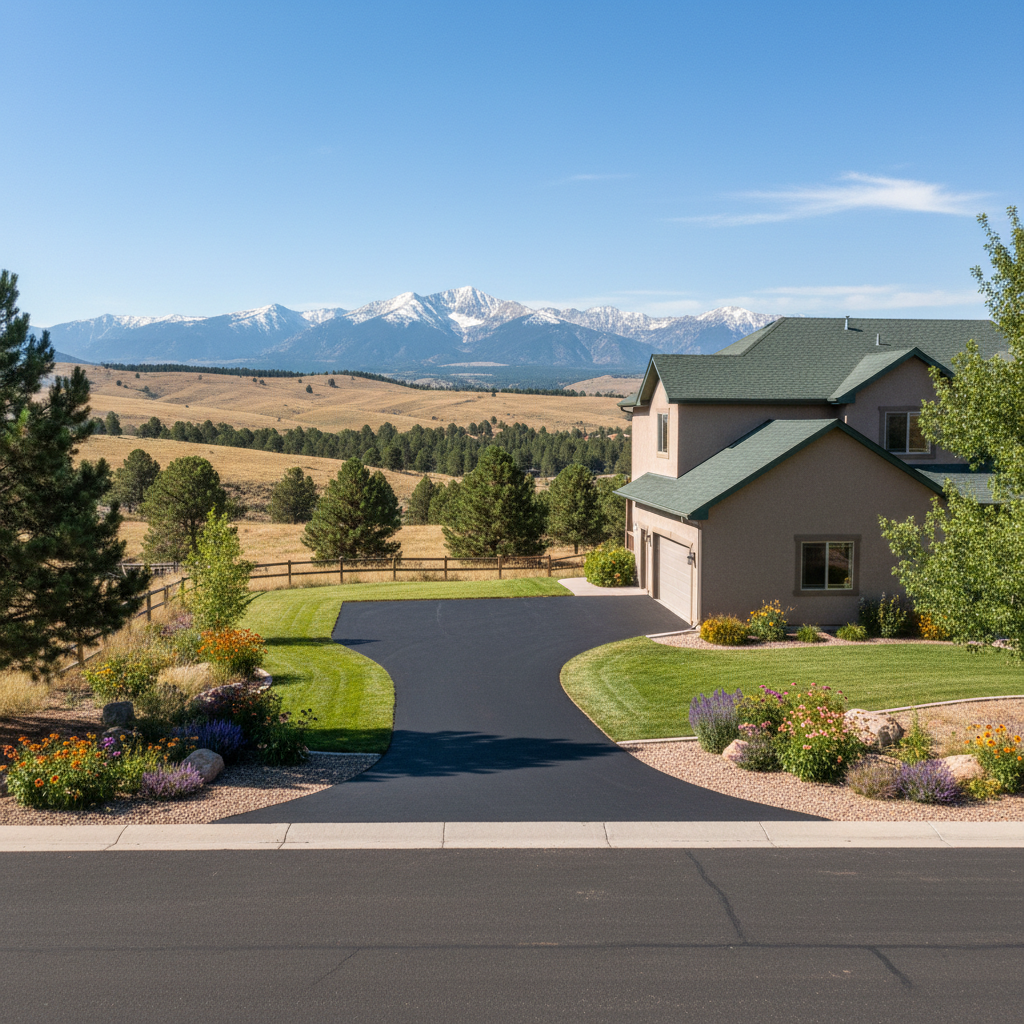
So, you're ready to tackle that driveway project. Maybe your old asphalt's seen better days, or you're finally putting in that new garage and need a proper entrance. Whatever the reason, getting a new driveway is a big deal, and you've got questions. That's good! I've been doing this for years here in Loveland, and I've seen it all. Let's break down what you can expect, how to get ready, and what you really need to ask before you commit.
Planning Your Driveway Timeline
The first thing folks usually ask me is, "How long will this take?" It's a fair question, and honestly, the answer depends on a few things. Here in Loveland, especially with our crazy spring weather, timing is everything.
- Initial Inquiry & Quote: This is quick. You call us, we set up a time to come out, measure, and discuss your needs. You'll get a quote within a few days, usually faster.
- Scheduling: This is where things can vary. Good contractors, like us at Loveland Paving Co, often have a backlog, especially during peak season (late spring through early fall). Don't expect us to start tomorrow. It could be a few weeks, or even a month or two out, depending on current demand and crew availability. If someone says they can start next week in July, I'd be a little suspicious.
- Permits: Most residential driveways don't need a city permit unless you're changing the curb cut or doing something really extensive that impacts the public right-of-way. If you're unsure, ask your contractor; they should know the local Loveland regulations. If a permit is needed, that adds time, sometimes a couple of weeks for approval.
- Project Duration: For a standard residential driveway, the actual paving work itself is usually pretty fast. We're talking one to three days. Demolition of the old driveway, grading, and base prep might take a day or two. Laying the asphalt is often done in a single day. Larger, more complex jobs, or those with significant earthwork, will take longer.
- Curing Time: This is important. Once the asphalt is down, you can't drive on it right away. You'll need to stay off it for at least 2-3 days, sometimes longer if it's a particularly hot week. This allows the asphalt to cure and harden properly. Don't rush this step; you'll regret it later.
What to Expect During the Process
Okay, so you've signed the contract, and we've got a start date. What's going to happen on your property?
- Day 1 (or Day 1-2): Demolition and Prep. If you have an existing driveway, we'll tear it out. This involves heavy machinery, so it'll be noisy. We'll haul away the old material. Then, we'll grade the area, making sure the slope is correct for drainage. This is crucial, especially with our heavy spring rains; you don't want water pooling against your house. We'll also lay down and compact the sub-base material – usually gravel – to create a solid foundation. This stage can be dusty and a bit messy, but we work to keep it contained.
- Paving Day: The Main Event. This is when the hot asphalt arrives. Our crew will spread it, level it, and then use rollers to compact it down. It's a coordinated effort, and you'll see a lot of activity. The asphalt will be hot, steaming, and it'll smell. That's normal. We're working quickly to get it laid evenly and compacted before it cools too much.
- Post-Paving: Curing. Once the asphalt is down and rolled, the crew will clean up. You'll have a beautiful, dark new driveway. But remember, it's not ready for traffic yet. We'll put up barriers or tape to remind you and any visitors to stay off it for those few days.
How to Prepare Your Property
You can help make the project go smoothly. A little prep on your end goes a long way.
- Clear the Area: Move your cars, boats, RVs, trash cans, kids' toys, planters, and anything else off and away from the driveway and the surrounding work zone. We need clear access.
- Trim Landscaping: If you have bushes, trees, or low-hanging branches that overhang the driveway or are very close to the edges, trim them back. This protects your plants and gives our equipment room to maneuver.
- Mark Sprinkler Heads: If you have an irrigation system, clearly mark any sprinkler heads or lines that are near the driveway's edge. Even better, if you can, turn off the system for the duration of the project. We do our best to avoid them, but sometimes things happen, and a clear marking helps immensely.
- Inform Neighbors: Give your neighbors a heads-up about the work, especially if it involves noise or temporary access issues. A little courtesy goes a long way in keeping everyone happy.
- Secure Pets: Keep your pets indoors or securely fenced away from the work area. Heavy machinery, hot asphalt, and busy crews aren't a good mix for curious animals.
- Plan for Access: Remember you won't be able to use your driveway. Plan where you'll park your vehicles for a few days, and how you'll get in and out of your house.
Questions to Ask Before Signing a Contract
You've got a quote, you like what you hear, but don't sign anything until you've asked these questions. This is where you protect yourself and ensure you're getting a quality job.
- "What's your full company name and physical address?" Don't just rely on a phone number or an email. A legitimate business will have a physical presence.
- "Are you licensed and insured? Can I see proof?" This is non-negotiable. They should have general liability insurance and workers' compensation. Ask for current certificates and call the insurance company to verify. If they don't have it, walk away. You don't want to be liable if someone gets hurt on your property.
- "How long have you been in business in Loveland?" Experience matters, especially with local soil conditions and weather patterns. Loveland's expansive clay soils, for example, require careful base preparation to prevent future cracking.
- "What's included in the price?" Get a detailed breakdown. Does it include demolition, hauling away old material, base preparation, asphalt thickness, and cleanup? Are there any hidden fees?
- "What thickness of asphalt will you be laying?" For residential driveways, I usually recommend at least 2.5 to 3 inches of compacted asphalt. Anything less might not hold up as well over time.
- "What kind of warranty do you offer?" A reputable contractor will stand behind their work. Get the warranty details in writing. What does it cover, and for how long?
- "Can you provide references from recent jobs in the Loveland area?" A good contractor will be happy to provide contact information for past clients. Call them! Ask about their experience, professionalism, and if they'd hire them again.
- "What's your payment schedule?" Be wary of anyone asking for a huge upfront deposit. A common schedule is a small deposit to secure the job, with the balance due upon satisfactory completion.
- "Who is my main point of contact during the project?" You need to know who to call if you have questions or concerns.
Getting a new driveway is a significant investment, and you want it done right. By understanding the process, preparing your property, and asking the right questions, you'll ensure a smooth project and a driveway that lasts for years. If you're in Loveland and ready to talk about your project, give us a call at Loveland Paving Co. We're always happy to answer your questions.