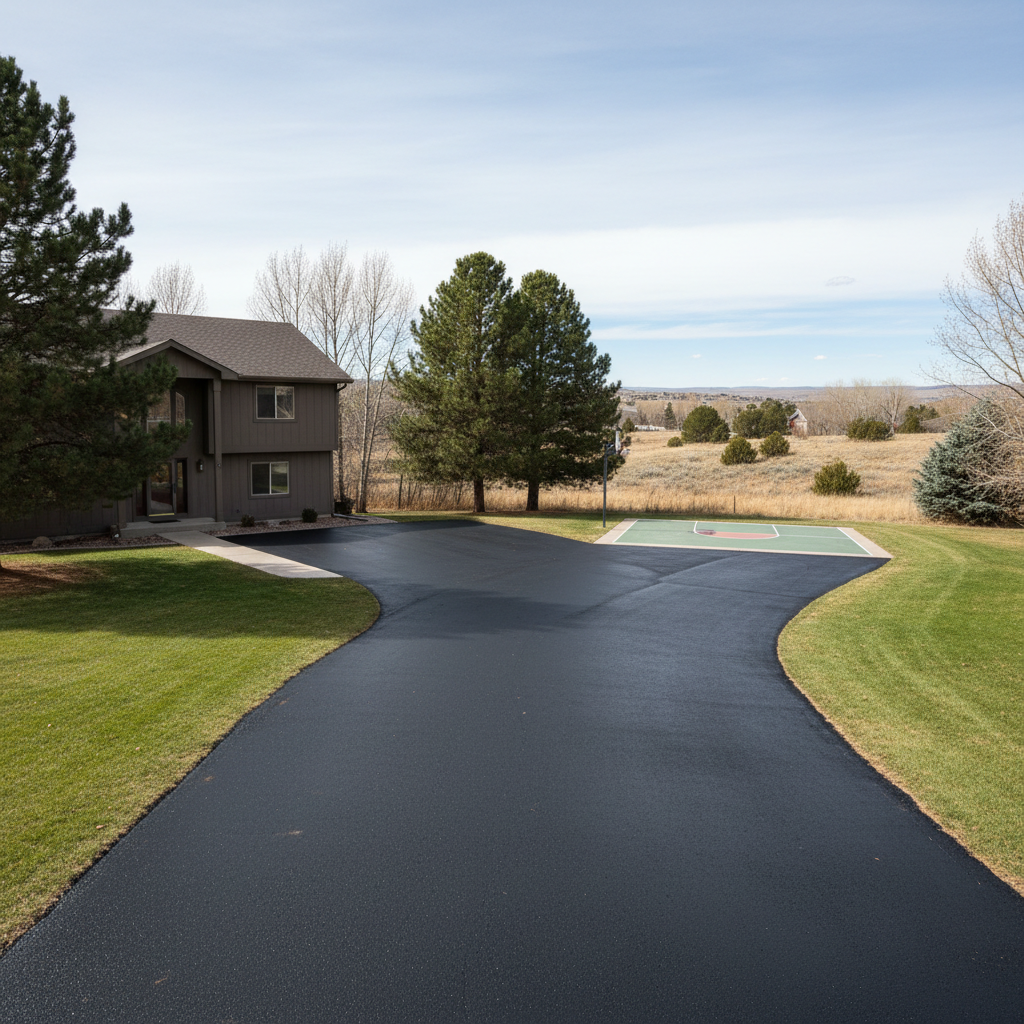
So, you're looking at getting a slurry coat for your driveway or parking lot. That's a smart move for protecting your asphalt and making it last longer. But like any good home improvement project, a little planning goes a long way. I've seen enough projects around Loveland to know that getting your ducks in a row beforehand makes everything run a lot smoother. Let's talk about what you need to think about.
Timeline: When to Plan Your Slurry Coat
Timing is pretty crucial for a slurry coat. It's not something you can just do any time of year. We're talking about a liquid application that needs specific conditions to cure properly. Generally, you're looking at late spring, summer, or early fall here in Colorado. The ground needs to be warm enough, and we need consistent daytime temperatures, usually above 50 degrees Fahrenheit, and ideally, no freezing overnight temps for a few days after application. You don't want to rush it. If you try to do it too late in the season, you risk the material not curing right, and then you've wasted your money and time.
You should start thinking about this a few months out. Good contractors, like us at Loveland Paving Co, get booked up fast during peak season. If you wait until May to call for a June project, you might be out of luck or waiting a while. Plan to get bids and schedule your project in late winter or early spring for a summer application. This gives you time to compare quotes, ask questions, and get on the schedule without feeling rushed.
What to Expect During the Slurry Coating Process
Alright, so you've picked your contractor and set a date. What happens next? First off, you'll need to clear the area. That means moving cars, trash cans, basketball hoops, anything that's on the asphalt. The crew will come in and do some prep work. This usually involves a thorough cleaning of the surface – sweeping, blowing, and sometimes power washing to get rid of dirt, debris, and loose aggregate. They might also address minor cracks or oil spots if that was part of your agreement.
Then comes the application. Slurry coat is applied in thin, even layers. Depending on the product and the condition of your asphalt, it might be one or two coats. It's a pretty quick process once they start applying it, but it takes time to dry. You'll need to stay off the surface for at least 24-48 hours, sometimes longer if it's cooler or humid. We'll give you a specific timeframe based on the weather conditions on the day of application. Don't try to drive on it too early; you'll mess it up and have tire marks permanently etched into your nice new surface. Trust me, I've seen it happen.
How to Prepare Your Property
Beyond clearing the driveway, there are a few other things you can do to make the job easier and ensure a good outcome. If you have sprinklers that hit the driveway, turn them off a day or two before and keep them off for a few days after. You don't want water interfering with the curing process. Trim back any low-hanging branches or bushes that might get in the way of equipment or the crew. If you have pets, make sure they're safely secured indoors or in a fenced area away from the work zone. This isn't just for their safety, but also to prevent them from walking on the wet slurry and tracking it everywhere.
Also, think about access. If your driveway is your only access point, you'll need to make alternative arrangements for parking your vehicles for a couple of days. This is especially true for those homes in older Loveland neighborhoods with single-car driveways and no street parking. It's a temporary inconvenience for a long-term benefit.
Questions to Ask Before Signing a Contract
Before you commit, you've got to ask the right questions. Don't be shy. This is your property and your money. Here's what I'd want to know if I were you:
- What specific type of slurry material do you use? (There are different grades and formulations.)
- How many coats will you apply?
- What's your process for surface preparation? Does it include cleaning, crack filling, or oil spot treatment?
- What's the estimated drying time, and how long do I need to stay off the surface?
- What's your warranty on the work?
- Are you licensed and insured to work in Loveland? (Always ask for proof.)
- Can you provide references from recent slurry coating jobs?
- What's the total cost, and what's included in that price? Are there any potential hidden fees?
- What happens if it rains unexpectedly after the application?
Asking these questions upfront will help you understand exactly what you're getting, who you're hiring, and what to expect. It builds trust and prevents misunderstandings down the road. A good contractor will be happy to answer all of them clearly and completely. If they hem and haw, that's a red flag. You're investing in your property, so make sure you're making an informed decision.